The Inspiring Journey of Alan Paton

Discover Alan Paton’s legacy and his unwavering commitment to justice, equality, and the power of compassion through his work and activism.

A Legacy of Vision and Inspiration

Alan Paton’s legacy is one of profound influence, shaped by his remarkable contributions to literature and his steadfast commitment to social justice. Best known for his iconic novel Cry, the Beloved Country, Paton captured the deep struggles and hopes of South Africa during apartheid, earning international acclaim. Through his writing, he explored themes of racial inequality, reconciliation, and human compassion, giving voice to those affected by the harsh realities of systemic oppression. His work continues to resonate across generations, offering a powerful call for empathy and understanding in the face of adversity.

Beyond his literary achievements, Paton was an active advocate for change. As a member of the South African Liberal Party, he fought against the injustices of apartheid, promoting a vision of a multiracial, democratic society. His commitment to peaceful activism and reconciliation inspired leaders, including Nelson Mandela, and his moral authority provided guidance in the struggle for equality. Paton’s enduring legacy is one of vision, compassion, and the unyielding belief in the power of individuals to create meaningful change.

South African Literature
Alan Paton, the esteemed South African author, signing documents at a table, with a bookshelf in the background, reflecting his dedication to his work.

Alan Paton at work in his study at Lintrose, Botha’s Hill. A part of his library can be seen against the wall with a photograph of Albert Luthuli on one of the shelves as well as the Jock Leyden cartoons, 1987

(Image courtesy of the Alan Paton Centre & Struggle Archives)

His Literary Legacy

“Cry, the Beloved Country” (1948): This novel is arguably Paton’s most famous work and is considered a classic of South African literature. It was one of the first books to depict the realities of racial injustice and the effects of apartheid on both black and white South Africans. The novel’s themes of hope, reconciliation, and compassion in the face of suffering resonated with a global audience and is still widely read and studied today.

Paton’s writing provided an insightful and empathetic view of South Africa during the height of apartheid. He used literature to address issues of race relations, inequality, and human rights.

Political Legacy

While not a radical revolutionary, Paton was a vocal critic of apartheid, the racist political system that enforced segregation and discrimination. He used his platform as a writer and public figure to speak out against apartheid policies and to advocate for justice and equality.

Paton was a founding member of the South African Liberal Party in 1953, which opposed apartheid and advocated for a multiracial democracy. Though the party was banned in 1968, Paton’s role in it showed his commitment to political change through peaceful means.

In the years following the end of apartheid, Paton’s call for reconciliation and healing became an important part of post-apartheid South African discourse. His writing and activism promoted a vision of South Africa where people of different races could live together in peace.

Alan Paton, the acclaimed South African author, standing next to Mangosuthu Buthelezi, an influential political leader, in a moment of historical significance.

Alan Paton and Chief Mangosuthu Buthelezi next to the bronze bust of Alan Paton by Naomi Jacobson at the unveiling of the bust in the main library of the former University of Natal, Pietermaritzburg

(Image courtesy of the Alan Paton Centre & Struggle Archives)
Alan Paton, the renowned South African author, standing with a group of individuals, engaged in a lively conversation.

Liberal Party meeting, Johannesburg. A Cobden, Alan Paton, E Sophazi and Mike Mokhubela

(Image courtesy of the Alan Paton Centre & Struggle Archives)

Impact on South African Society

As a respected figure, Paton’s moral authority transcended his literary work. His calls for racial reconciliation and social justice had a lasting effect on the way people in South Africa, and beyond, viewed issues of racial inequality and human dignity.

Paton’s ideas and advocacy influenced many South African leaders, including Nelson Mandela, who admired Paton’s commitment to peace and justice. Paton’s works, especially “Cry, the Beloved Country,” were widely read by those fighting against apartheid.

Global Recognition

Paton’s work received widespread international recognition, and he was regarded as a leading figure in the global fight for human rights. “Cry, the Beloved Country” was translated into many languages, bringing global attention to the struggles in South Africa.

Throughout his life, Paton worked to highlight the human cost of injustice. His advocacy extended beyond literature and into humanitarian causes. He was involved in various organizations that supported political prisoners and racial equality.

Alan Paton, the esteemed South African author, with three friends, all listening intently as one of them tells a story, sharing a moment of camaraderie.

Alan Paton, Laurens van der Post, Roy Campbell, and Uys Krige together in London

(Image courtesy of the Alan Paton Centre and Struggle Archives)
Alan Paton, the renowned South African author, standing alongside two boys, sharing a moment together.

Alan Paton at the Phoenix Settlement

(Image courtesy of the Alan Paton Centre & Struggle Archives)

Educational Legacy

In addition to his literary and political contributions, Paton was also involved in education, particularly in his role as the principal of Diepkloof Boys’ Training Centre in South Africa. His work in education aimed to provide opportunities for young black South Africans during a time when the educational system was highly discriminatory.

Paton’s vision of a fairer, more just society continues to inspire writers, activists, and educators, both in South Africa and globally. His works are still integral to discussions of race, justice, and reconciliation.

Explore a Curated Collection of Alan Paton’s Life and Legacy

The Life and Impact of Mr. Alan Paton.

Alan Paton, the celebrated South African author, smiling alongside his wife, Dorrie Paton, in a warm and loving portrait.
Photo Credit: Alan Paton Center
Alan Paton, the celebrated South African author, pictured with his wife and children, sharing a family moment of love and togetherness.
Photo Credit: Alan Paton Center
Alan Paton, the celebrated South African author, in a group photo with peers.
Photo Credit: Alan Paton Center
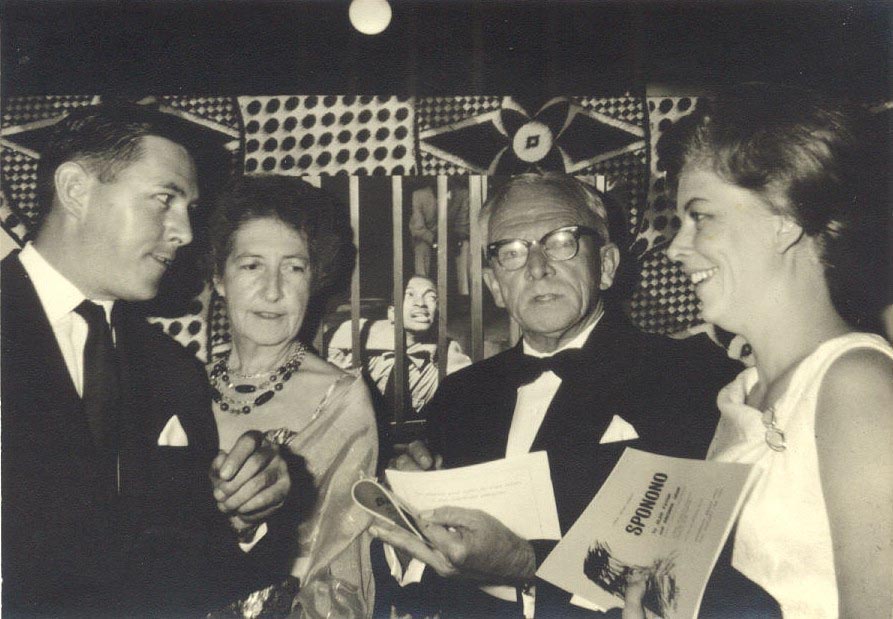
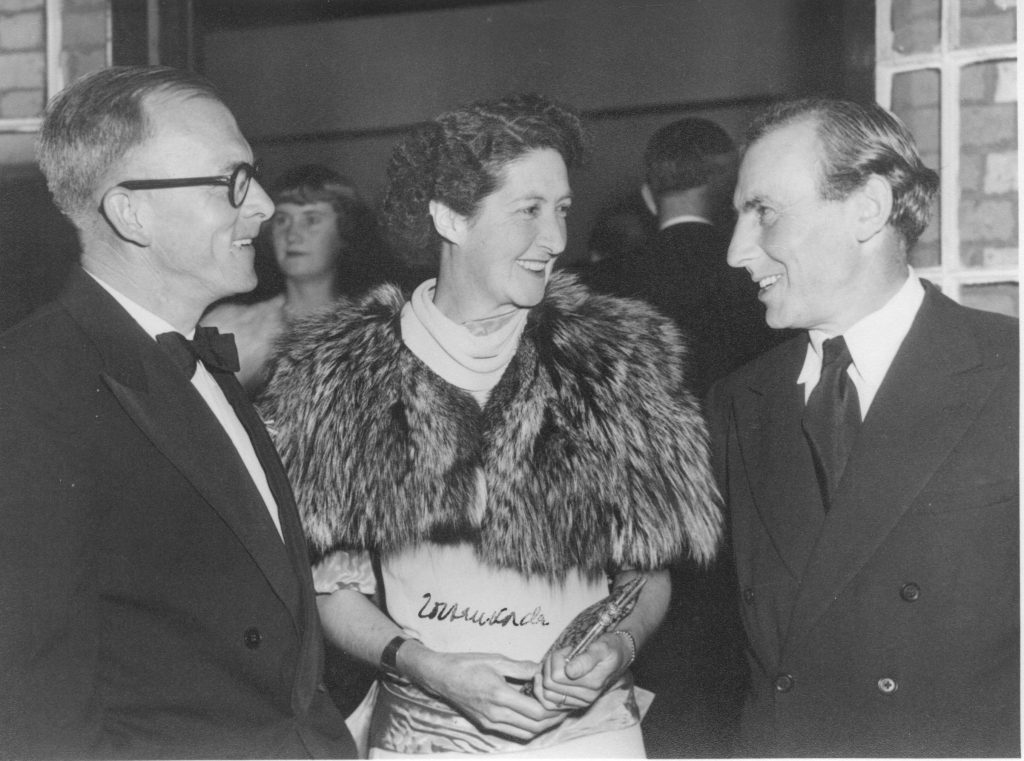
Alan Paton, the distinguished South African author, in deep conversation with a man and Dorrie Paton, sharing ideas and perspectives.
Alan Paton, the distinguished South African author, smiling alongside his wife Anne Paton, sharing a joyful moment.

A smiling portrait of Alan Paton, the celebrated South African author, wearing glasses and surrounded by books, captured in a warm, welcoming setting.
Photo Credit: Alan Paton Center
A vibrant, colorful portrait of the esteemed South African author, Alan Paton, in a suit, showcasing his distinguished appearance in his later years.
error: Content is protected !!
Scroll to Top